Here’s the abstract:
The effect of viewing abstract artwork can be varied and may produce insights that elicit inspiration and/or motivate a creative process. This study examined the relationship between aesthetic experience and creative inspiration, where we predicted that engagement with artwork would enhance performance on subsequent creativity tasks. It was hypothesised that abstract artwork that conveyed more meaningful imagery and congruent audiovisual artwork (with audio that complements the theme of the visuals vs. randomly generated noise) would produce increased feelings of inspiration – as meaningful objects and concepts were identified – leading to better performance in creativity tasks. To test this hypothesis, 41 participants were randomly assigned to either the More Meaningful or Less Meaningful artwork conditions. Participants engaged with each artwork for two minutes before completing an Alternative Uses Task in which they generated creative uses for everyday objects. Participants then rated their perceptions of the artwork and feelings of inspiration. For each participant, this process occurred with three artworks at three levels of complexity: Simple, Complex and Complex Audio-Visual. Meaningfulness and Complexity did not significantly increase creativity scores across the groups. However, in exploratory analyses, we identified relationships between participants’ self-reported Meaningfulness, Inspiration and Aesthetic Insight (a sensation of positive affect from being able to detect meaning within the images) and Alternative Usage Test scores when taken as averaged scores across the entire sample. These findings show initial support for the hypothesis that aesthetic experiences can prime creative performance, but further research is needed to identify the specific mechanisms by which this effect occurs.
IAEA 2024 Palma De Majorca
Stimuli
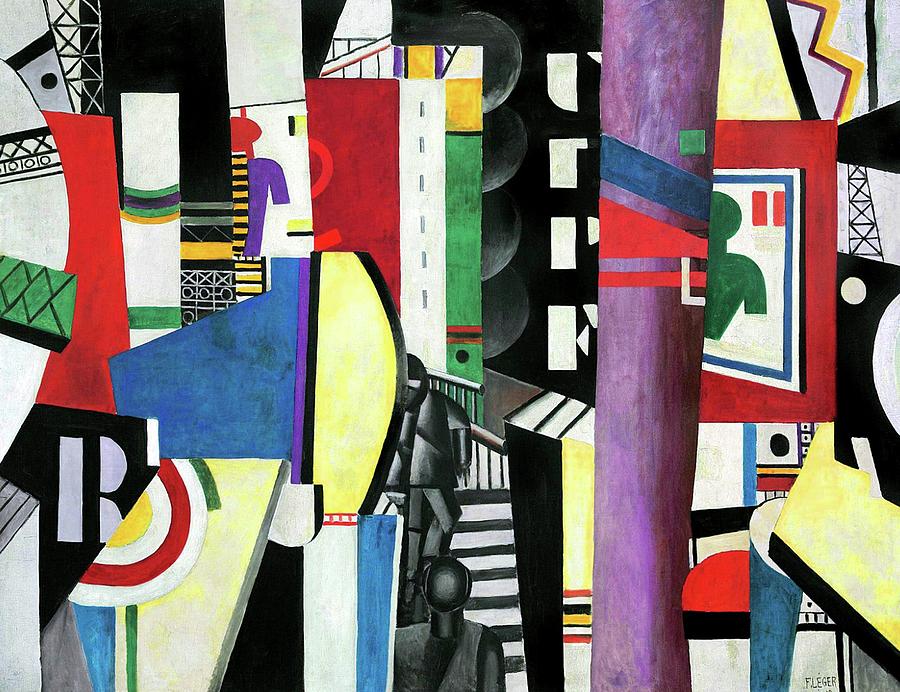
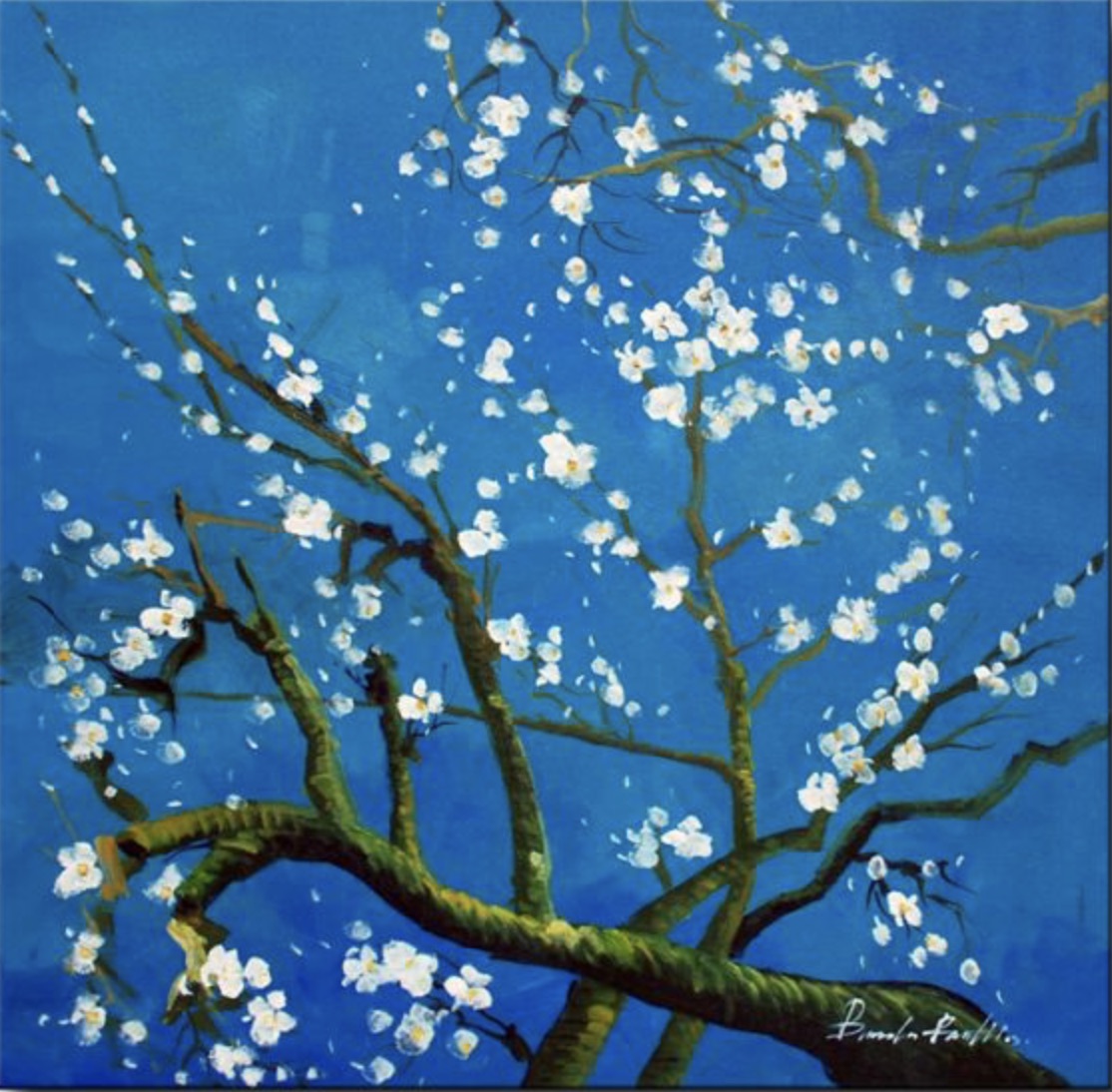
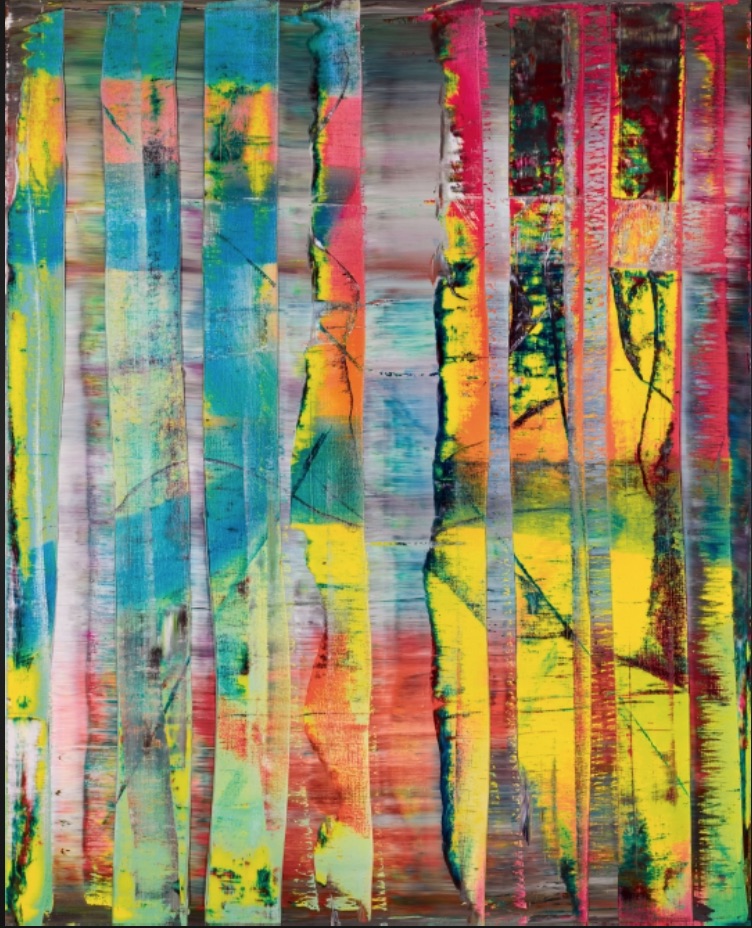

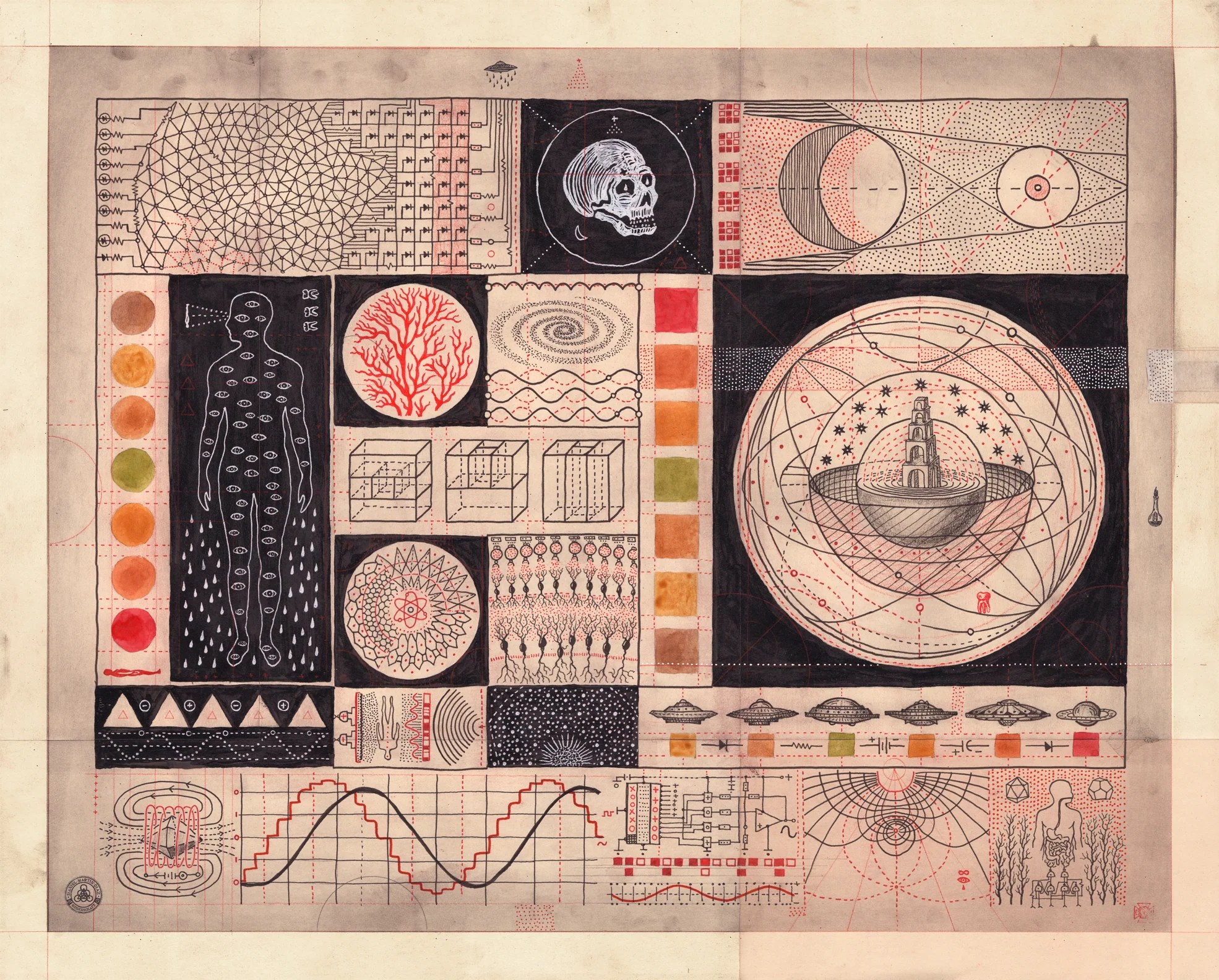
Audio Stimuli: Complex Audio-Visual More Meaningful
Audio Stimuli: Complex Audio-Visual Less Meaningful
Results

Significant correlations:
HEXACO Openness To Experience (r = 0.39)*
Inspiration (r = 0.33)*
Aesthetic Insight (r = 0.34)*
Meaningfulness (r = 0.32)*
Non-significant:
Complexity (r = 0.1)
Liking (r = 0.23)
Recognised the artwork (r = -0.112)
Could Replicate the artwork (r = 0.21)
Key References
Enhancing Creativity:
Baird, B., Smallwood, J., Mrazek, M. D., Kam, J. W. Y., Franklin, M. S., & Schooler, J.
W. (2012). Inspired by Distraction: Mind Wandering Facilitates Creative
Incubation. Psychological Science, 23(10), 1117–1122.
htps://doi.org/10.1177/0956797612446024
Aesthetic Experience and Creativity Tasks:
Welke, D., Purton, I., & Vessel, E. A. (n.d.). Inspired by Art: Higher Aesthetic Appeal
Elicits Increased Felt Inspiration in a Creative Writing Task.
An, D., & Youn, N. (2018). The inspirational power of arts on creativity. Journal of
Business Research, 85, 467–475. htps://doi.org/10.1016/j.jbusres.2017.10.025
Aesthetic experience and Default Mode Network:
Belfi, A. M., Vessel, E. A., Brielmann, A., Isik, A. I., Chatterjee, A., Leder, H., Pelli, D. G.,
& Starr, G. G. (2019). Dynamics of aesthetic experience are reflected in the
default-mode network. NeuroImage, 188, 584–597.
htps://doi.org/10.1016/j.neuroimage.2018.12.017
Vessel, E. A., Starr, G. G., & Rubin, N. (2013). Art reaches within: Aesthetic experience,
the self and the default mode network. Frontiers in Neuroscience, 7.
htps://doi.org/10.3389/fnins.2013.00258
Inspiration:
Oleynick, V. C., Thrash, T. M., LeFew, M. C., Moldovan, E. G., & Kieffaber, P. D. (2014).
The scientific study of inspiration in the creative process: Challenges and
opportunities. Frontiers in Human Neuroscience, 8.
htps://doi.org/10.3389/fnhum.2014.00436
Dynamic Engagement, Insight and Reward:
Ball, L. J., Threadgold, E., Marsh, J. E., & Christensen, B. T. (2018). The effects of
stimulus complexity and conceptual fluency on aesthetic judgments of abstract
art: Evidence for a default–interventionist account. Metaphor and Symbol, 33(3),
235–252. htps://doi.org/10.1080/10926488.2018.1481255
Muth, C., & Carbon, C.-C. (2013). The Aesthetic Aha: On the pleasure of having insights
into Gestalt. Acta Psychologica, 144(1), 25–30.
htps://doi.org/10.1016/j.actpsy.2013.05.001
Van de Cruys, S., & Wagemans, J. (2011). Putting Reward in Art: A Tentative Prediction
Error Account of Visual Art. I-Perception, 2(9), 1035–1062.
htps://doi.org/10.1068/i0466aap
Meaningfulness
Martindale, C., Moore, K., & Borkum, J. (1990). Aesthetic Preference: Anomalous
Findings for Berlyne’s Psychobiological Theory. The American Journal of
Psychology, 103(1), 53. htps://doi.org/10.2307/1423259
Immersive and Complex Aesthetic Experiences:
Csikszentmihalyi, M. (1999). Implications of a systems perspective for the study of
creativity. In R. J. Sternberg (Ed.), Handbook of creativity (pp. 313–335).
Cambridge University Press.
Poster
 alistair hobson